

Our farm
This is our farm
A family-owned coconut plantation in the Dominican Republic, where every Vivo coconut is grown. No middlemen. No unaccountable links in the chain.
We’re not a broker
We grow it, ship it and import it ourselves
Most coconuts reach US buyers through several hands. Every handoff is another place where quality slips and answers get lost. We keep the whole chain in one family: the same farm, the same standards, and one team you can call.
The footage here is real. It’s our plantation, shot by drone.
- Our own family farm in the Dominican Republic
- Exported and imported by us, with US customs handled in-house
- Cold chain from the farm to a Miami cold-storage warehouse
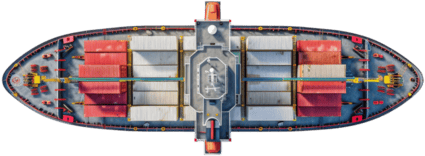
Grow
Harvest
Pack
Export
Import
Distribute
- 1Grow
- 2Harvest
- 3Pack
- 4Export
- 5Import
- 6Distribute
A straightforward process built for reliability — so you can count on the same quality, shipment after shipment.

Harvested at peak freshness
Grown on our own family farm and picked at the right stage for quality and shelf life.

Quality & compliance checked
Every shipment meets FDA and CBP import standards before it leaves the farm.

Cold chain, on schedule
Temperature-controlled from the farm to a cold-storage warehouse in Miami, then delivered on schedule.
Cold chain
Kept cold from the farm to Miami
Our coconuts travel by ocean on one connected cold chain, from the crop to a cold-storage warehouse in Miami.
At the farm
Harvested at the right stage for quality and shelf life, then moved into the cold chain.
Ocean freight
Temperature-controlled shipping from the Dominican Republic to Florida.
Miami cold storage
Held in a cold-storage warehouse in Miami, ready for distribution.
To your business
Distributed to wholesale, retail and foodservice buyers nationwide.
Quality standards
Hand-selected, fully compliant
Every shipment meets FDA and CBP import standards before it leaves the farm. We ship in the processed states recognized under USDA APHIS coconut import requirements, and we manage the customs paperwork ourselves.
Our coconut variety
Grown from the Chactemal hybrid
Our palms are the Chactemal hybrid, developed by Mexico’s INIFAP agricultural research institute by crossing the Malayan Yellow Dwarf with the Criollo Alto Michoacán. It was bred specifically to resist Lethal Yellowing, a disease that has devastated coconut groves across the Caribbean.
Tolerance to Lethal Yellowing disease
Copra yield under irrigated conditions, well above traditional criollo varieties
Shipped in the processed states recognized under USDA APHIS coconut import requirements
Variety data: INIFAP (Mexico) technical bulletin on the Chactemal hybrid. Import classification: USDA APHIS Commodity Import Requirements for Coconut.
From above and on the ground
The plantation
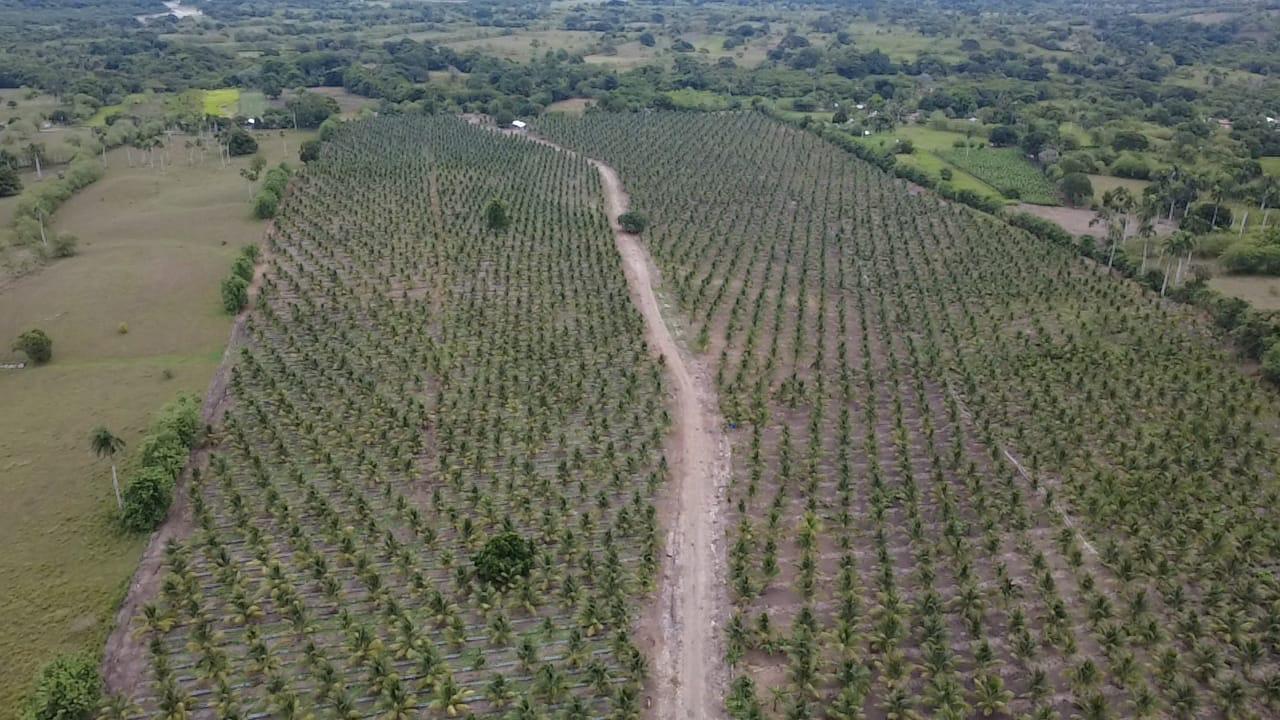
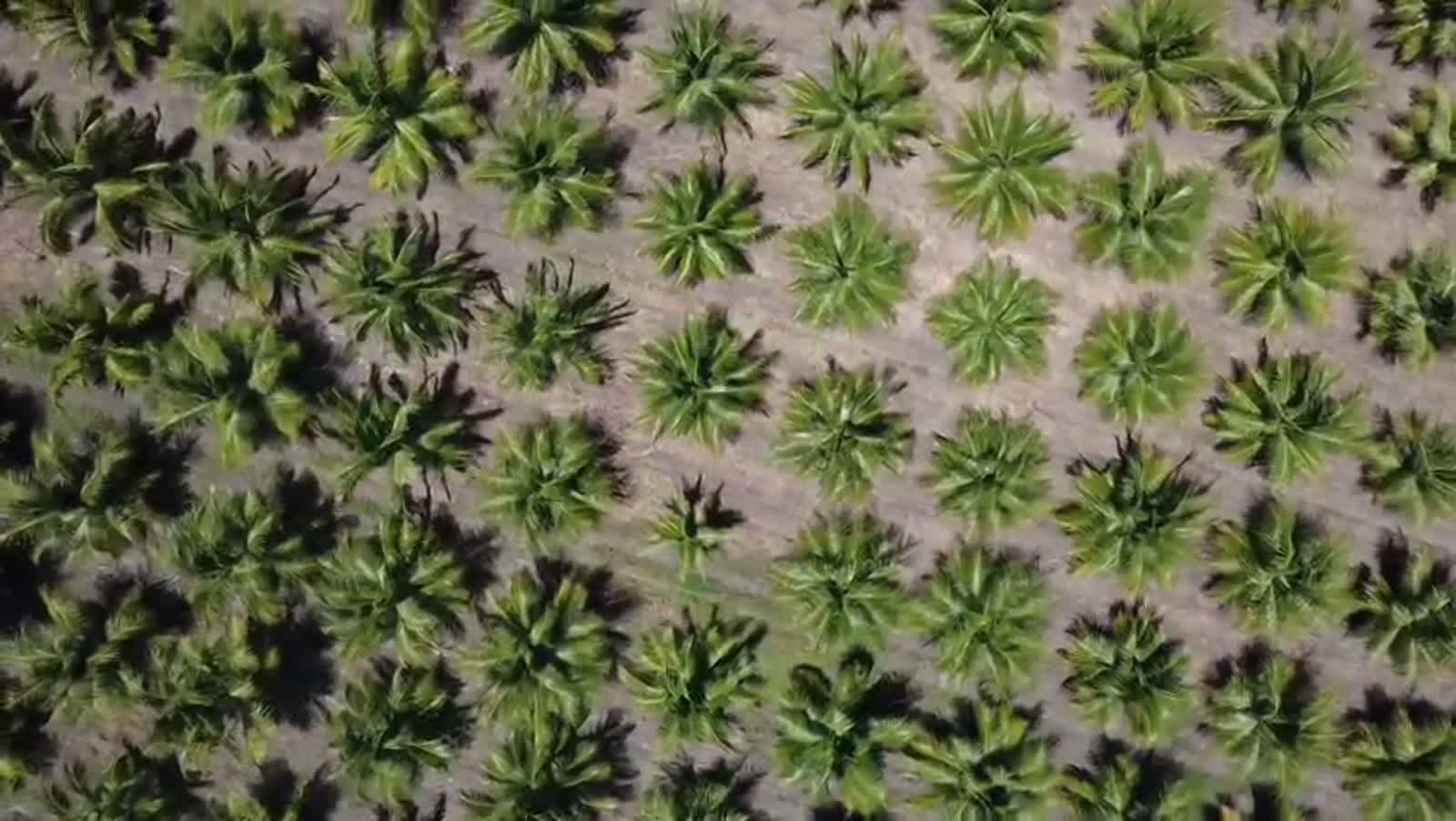
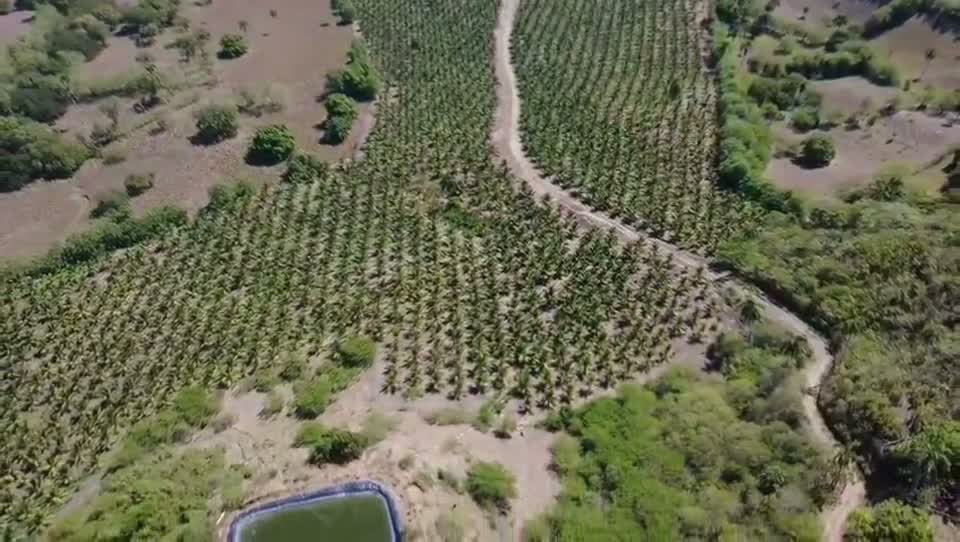
See it for yourself, then ask us about it
Tell us about your business and we'll send pricing, availability and next steps.
Talk through your volume